How to watch
Missed it? Watch the recording on YouTube.
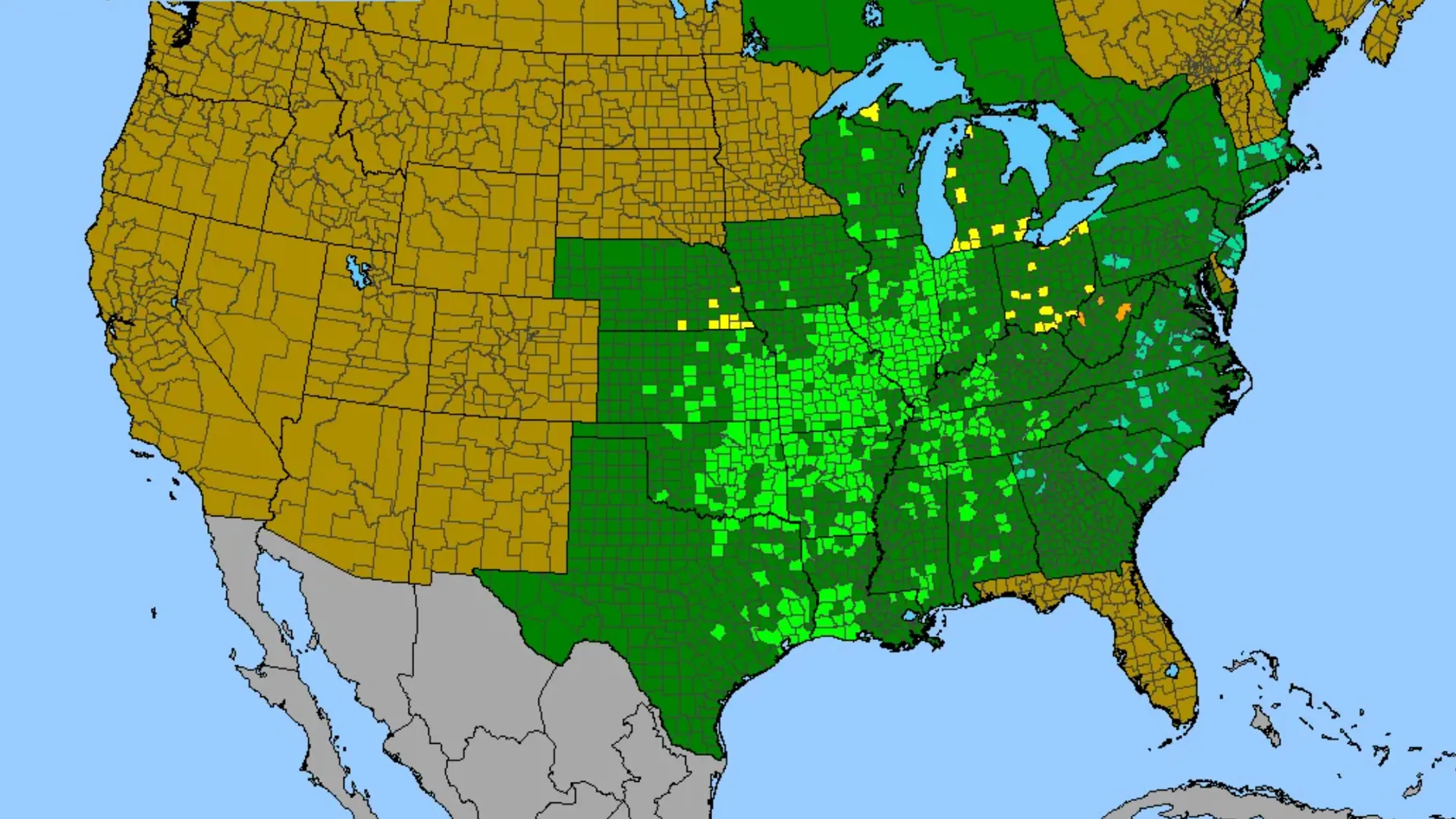
When you look up whether a plant is native to your county, chances are you're looking at John Kartesz's data, even if you don't know it. Over the past five decades, he's personally documented and mapped the distributions of over 33,000 plant taxa across North America, building the dataset that underpins the tools conservationists, nurseries, and native plant apps all rely on.
In this webinar, John shares stories from decades of fieldwork and digs into the questions gardeners are actually wrestling with: What does "native" really mean? How is nativity determined at the county level? How local should your plant choices actually be? And what about that messy middle ground, like non-native species that aren't technically invasive?
Whether you're deep into native plant gardening or just starting to pay attention to what's growing in your yard, this is a rare chance to learn directly from the person behind the data that shapes how we all think about native plants.
Can't make it live? Recording will be sent to Less Lawn More Life participants within 24 hours.
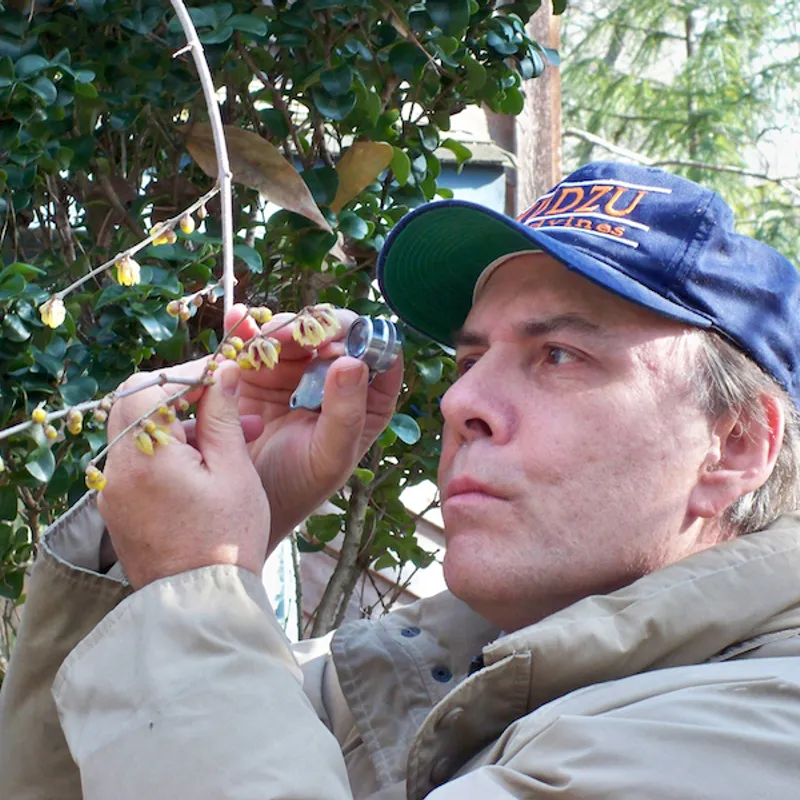
Dr. John Kartesz
Botanist · Founder, Biota of North America Program (BONAP)
About John Kartesz, PhD - Botanist who has spent over five decades documenting the plant life of North America. He created the North American Plant Atlas, the definitive county-level distribution database covering all vascular plant species on the continent and used as an international data standard by the USDA, the Nature Conservancy, NatureServe, the National Audubon Society, and federal agencies. He holds a PhD in Botany from the University of Nevada, Reno and has authored or co-authored over 120 scientific papers and 13 books.
About the Biota of North America Program (BONAP) - Founded by Dr. Kartesz at the North Carolina Botanical Garden, BONAP maintains the most comprehensive dataset on the distribution and taxonomy of North American vascular plants. Its county-level maps and taxonomic data are the backbone of native plant tools, conservation planning, and ecological research across the continent. If you've ever checked whether a species is native to your area, there's a good chance the answer traced back to BONAP.