Real science, made simple
Wildr Science
When you use Wildr Places, it’s like having top scientists in your pocket. We pull together data and evidence-based advice from leading researchers so you can make a world of difference in your backyard.
Studies confirm that together we can restore nature by how we landscape our yards. Stopping pesticides and planting native plants can bring birds and butterflies back to our neighborhoods. And we, our families, and our pets will be healthier and happier for it.
With Wildr Places, you know just where you stand and how to move the needle. Here’s how:
Your starting place
The Wildr Score
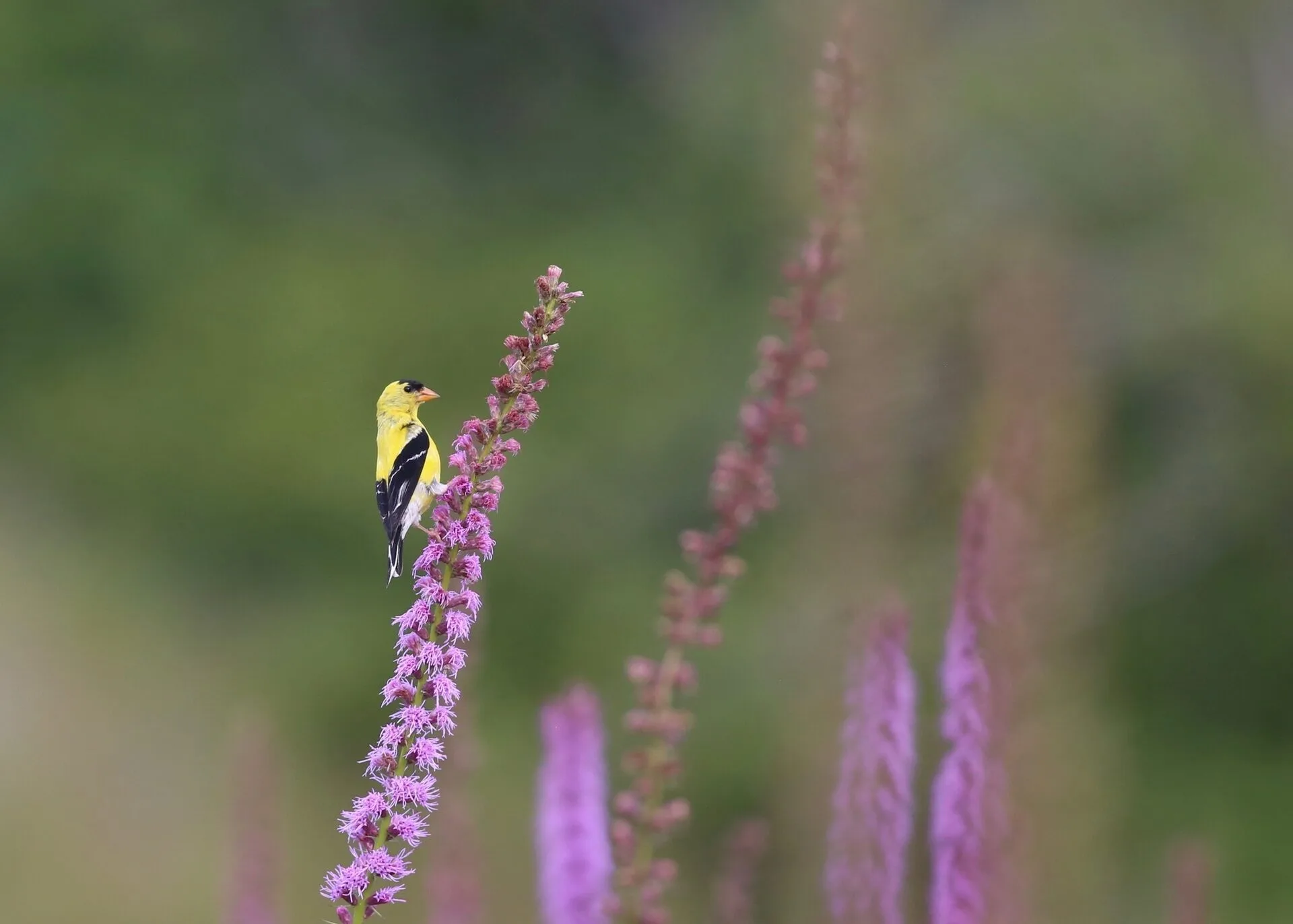
Your Wildr Score is a free, five-minute quiz that measures the ecological health of your land. It gives you a snapshot of how your yard is performing right now and what you could improve.
The score is based on a field-tested methodology refined across dozens of real sites (backyards, school campuses, corporate properties, nature preserves) to make sure it holds up in the real world.
It looks at the ecosystem services your land provides (like cleaning air and absorbing stormwater), the diversity of habitat and plant life you have, the wildlife your property can support, and the steps you’re already taking to help. The score controls for yard size and how urban your neighborhood is, so it’s fair no matter where or what you’re working with.
The Wildr Score methodology was originally developed in partnership with the Vermont Center for Ecostudies through expert consultation and field-based biodiversity research.
Your impact, tracked
Your Wildlife Count
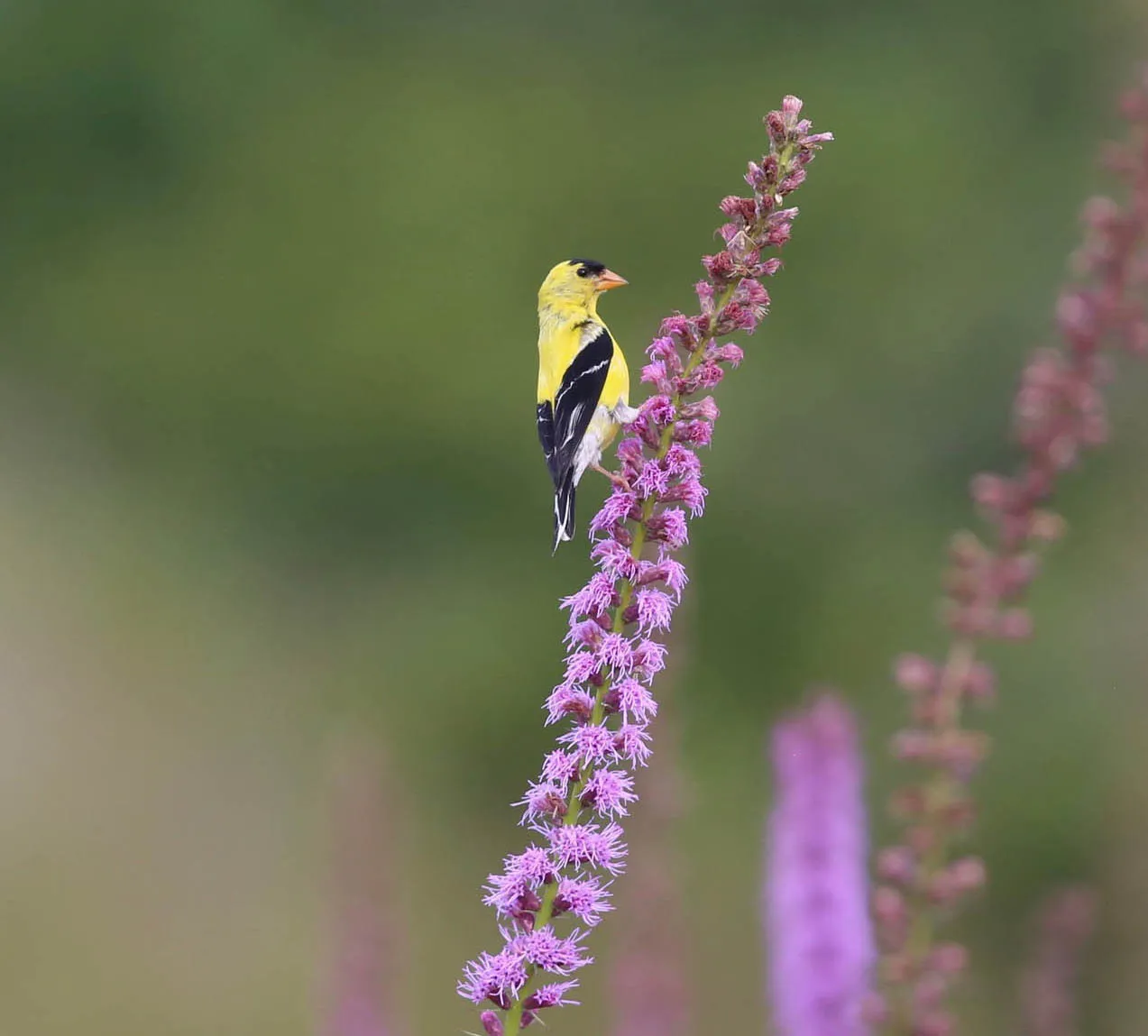
Based on the native plants in your yard, Wildr Places’ Wildlife Count is the number of species of moths, butterflies, and specialist bees you support, based on Dr. Douglas Tallamy’s caterpillar and moth host plant data and Jarrod Fowler’s specialist bee research. Click, and you can see pictures of all these valuable insects and learn more about them.
Add a new genus of native plant (an oak, a goldenrod, whatever) and see your Wildlife Count increase. The number is real, it’s specific to your plants, and it updates as your garden grows.
Your roadmap in real time
The Native Plant Recommendation Engine
At the heart of Wildr Places is our native plant recommendation engine, the system that figures out which plants to suggest for your specific location. It’s grounded in science and ground-truthed by humans.
When you enter your address, we map it to your ecoregion, a geographic area defined by shared climate, soil, and ecological characteristics. Then the engine scores every native plant in our database against your location, using ecological value signals, expert-curated lists, and real-world availability data. The result: a personalized, ranked list of native plants for your yard, ordered by how strongly we recommend each one for your specific place.
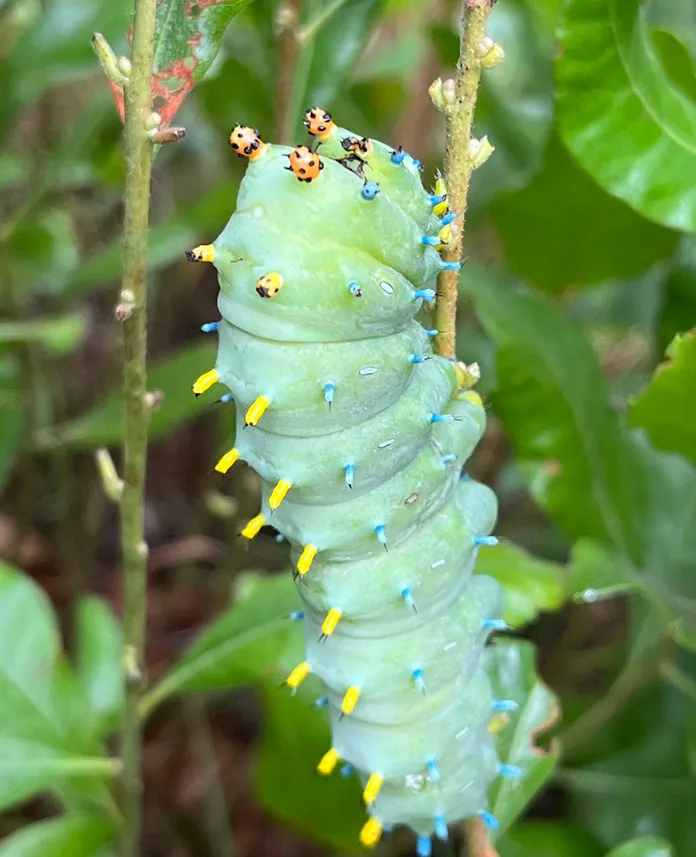
Ecological value is the big one. We prioritize plants based on how much they actually support local wildlife. Which plants host the most caterpillars and moths, the base of the food web for birds? Which ones support specialist native bees that depend on specific plant families? Which support at-risk butterfly species in your region? Plants that support rare or uncommon specialist bees (as classified in Fowler’s conservation assessments) score even higher, because that’s where the need is greatest.
These aren’t guesses. They come from peer-reviewed research and purpose-built datasets from leading entomologists and pollination biologists. The Wildr Plant Recommendation Engine methodology is proprietary and was developed under advisement of members of our Science Advisory Board.
Danger zones, marked
Invasive Species Watchlist
The Wildr Places app includes a dedicated Invasives Module: a ranked list of high-pressure, commonly observed invasive plants personalized to your location. The module is built to answer three questions: What invasive species are already near you? What invasive plants are still being sold at nurseries that you should avoid? And what’s spreading in neighboring states that hasn’t hit your area yet but probably will?
To build your list, we pull research-grade observations from iNaturalist at two radii around your address and weight species that have actually been spotted near you most heavily. We layer in nursery availability data from a national invasive trade dataset, so species still actively sold get flagged as a prevention signal, and regulatory data from state-level invasive plant lists. Species native to North America are excluded entirely.
The result is a ranked list of up to 50 non-native invasive species most relevant to your specific location, prioritized by local presence, prevention value, and regional threat level. Species still being sold in nurseries are labeled “Do Not Buy,” because the best time to stop the spread is before you plant.
Invasive species data sourced from the UMass Spatial Ecology Lab’s Merged U.S. State-Regulated Invasive Plant Lists (2025) and Beaury et al. (2021), Frontiers in Ecology and the Environment.
Under the hood
Wildr Places Data Sources
Caterpillar and moth host plant data
Our caterpillar and moth host plant data comes from Dr. Douglas Tallamy’s research at the University of Delaware, which identifies how many caterpillar and moth species each native plant genus supports in every U.S. county. Caterpillars are the primary food most backyard birds need to raise their nestlings, as many as 9,000 per nest per day.
Specialist bee associations
Our specialist bee data draws on the work of Jarrod Fowler and Sam Droege, which identifies the plants that support specialist native bees, the species that can only collect pollen from specific plant families.
Plant nativity
Plant nativity is powered by BONAP (the Biota of North America Program) and USDA data, so we can verify that a plant is truly native to your specific region.
Invasive species screening
Our invasive species screening is informed by state-level regulatory lists and research from Dr. Evelyn Beaury and Dr. Bethany Bradley.
Plant photography
Plant photography comes from community observations on iNaturalist and other public sources.
Region-specific plant ratings and feedback
Region-specific plant ratings and feedback come from the Wildr Expert Network, a growing community of botanists, ecologists, restoration professionals, and master gardeners across the country.
Science Advisory Board
The minds behind the science
Wildr’s Science Advisory Board guides our science, reviews our methodology, and helps ensure our tools reflect the latest research. With Doug Tallamy in a leading role, our scientific advisors have helped shape Wildr’s tools and direction for the past four years. As our platform reaches a national audience, we’ve expanded the Board to bring in a wider range of expertise and perspectives.
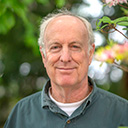
Dr. Douglas Tallamy
Professor, University of Delaware; co-founder, Homegrown National Park
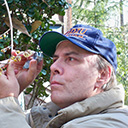
Dr. John Kartesz
Founder & Director, Biota of North America Program (BONAP)
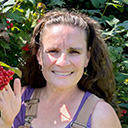
Becca Rodomsky-Bish
Project Leader, Cornell Lab of Ornithology

Dr. Evelyn Beaury
Assistant Curator, New York Botanical Garden

Bradford Gentry
Professor & Senior Associate Dean, Yale School of the Environment
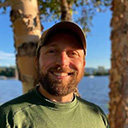
Dr. Andrew Reinmann
Assistant Professor, Hunter College & CUNY Advanced Science Research Center

Dr. Peter Groffman
Professor, CUNY Brooklyn & Cary Institute of Ecosystem Studies
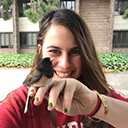
Dr. Ellie Diamant
Assistant Professor of Biology, Bard College

Dr. Christopher Cosma
Conservation Ecologist, Conservation Biology Institute
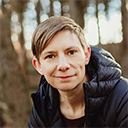
Dr. Elizabeth Cook
Assistant Professor of Environmental Science, Barnard College & Cary Institute of Ecosystem Studies

Dr. Susannah Lerman
Research Ecologist, USDA Forest Service

Dr. Clara Pregitzer
Deputy Director of Conservation Science, Natural Areas Conservancy

Dr. Chris Nagy
Director of Research and Education at Mianus River Gorge
Wildr Expert Network
Are you an expert?
Botanists, ecologists, restoration pros, and master gardeners help ground-truth our recommendations for their own ecoregions. If that’s you, we’d love your eyes on the science.
Apply to join the Wildr Expert network